Choosing the right material for your exhaust system is crucial. This decision affects performance, durability, and maintenance. One common dilemma is how to choose between stainless steel and other exhaust materials. Stainless steel is popular for its resistance to corrosion and its strength. However, it can be more expensive.
Other materials, like aluminized steel, offer cost benefits but may not last as long. Each option comes with trade-offs. Your choice should consider vehicle type, driving conditions, and budget. A stainless steel exhaust might give you peace of mind, but in some cases, alternatives might serve just as well.
Research and expert opinions can guide your decision. Reflect on your specific needs and preferences. This will lead to a more informed choice that balances cost with performance. Ultimately, understanding how to choose between stainless steel and other exhaust materials is key to a successful upgrade.
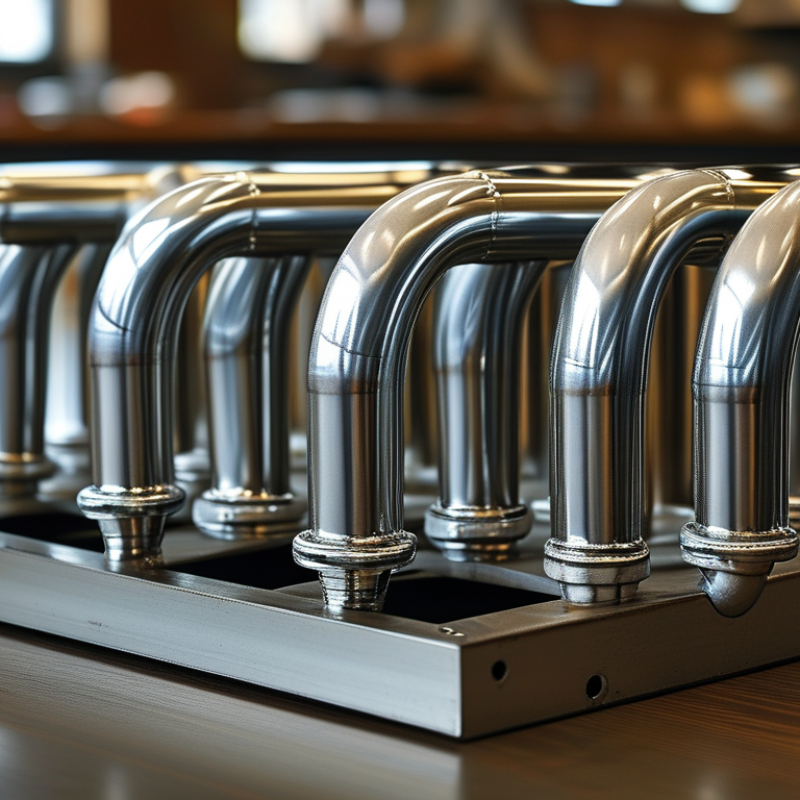
Understanding Different Exhaust Materials and Their Properties
When selecting exhaust materials, understanding their properties is crucial. Stainless steel is a popular choice due to its corrosion resistance and durability. According to a report from the Automotive Engineering Society, stainless steel can outperform mild steel in terms of lifespan by up to 50%. Its strength allows for thinner, lighter components without compromising integrity.
Aluminum is another viable option. It is lighter than stainless steel, which can contribute to reduced vehicle weight. However, aluminum may not withstand high temperatures as well as stainless steel, and its lifespan can vary widely based on the environment. In harsh climates, aluminum components may deteriorate faster, costing more in the long run.
Less common materials like carbon fiber offer high strength-to-weight ratios but at a higher price point. A study from the International Journal of Automotive Technology noted that carbon fiber can double the cost of exhaust systems. Buyers should weigh performance against budget constraints. Ultimately, choosing the right material involves considerations of cost, performance, and intended usage. It's essential to reflect on these factors to make an informed decision.
Advantages and Disadvantages of Stainless Steel Exhaust Systems
Stainless steel exhaust systems have gained popularity for their durability and performance. They resist corrosion, which is a significant advantage. This means that they can withstand harsh weather conditions and extreme temperatures without deteriorating quickly. They often come with a sleek finish, adding a polished look to any vehicle.
However, stainless steel does have its drawbacks. The initial cost is generally higher compared to other materials. For budget-conscious consumers, this might be a significant consideration. Some users note that stainless steel can generate a louder noise, which may not appeal to everyone. Noise levels can affect driving comfort, and this is something to think about.
Alternative materials, such as mild steel, are cheaper. Yet, they rust more easily and require more maintenance. This can lead to a cycle of spending on repairs. Each material comes with its own set of pros and cons. Weighing these carefully is essential for making the right choice. Choosing the wrong exhaust material can lead to disappointment down the road.
Advantages and Disadvantages of Stainless Steel Exhaust Systems
Factors to Consider When Choosing Exhaust Materials for Your Vehicle
When choosing exhaust materials for your vehicle, several factors play a crucial role.
Durability stands out as a key consideration. Stainless steel is often favored for its corrosion resistance.
According to a 2022 industry report, stainless steel components can last up to 30% longer than those made from mild steel in harsh environments.
This longevity can lead to significant cost savings over time. However, weight is also significant.
A lightweight alternative, such as aluminum, can improve vehicle performance but may lack the durability of stainless steel.
Another factor is thermal conductivity.
Materials that dissipate heat effectively can enhance performance. A comparative study highlighted that materials like titanium exhibit
superior thermal efficiency, leading to improved engine performance. Yet, the added cost may deter some buyers.
Furthermore, the environmental impact of materials should be considered. A 2021 report from an automotive research agency suggested that
using recycled materials in exhaust systems can reduce the carbon footprint by up to 20%. Reflecting on these aspects ensures that the
final choice aligns with both performance expectations and sustainability goals.
Comparing Performance and Durability of Various Exhaust Materials
When choosing exhaust materials, understanding performance and durability is crucial. Stainless steel is often favored for its resistance to oxidation and corrosion. This makes it an excellent choice for high-temperature environments found in vehicle exhaust systems. However, despite its advantages, some may find stainless steel to be heavier than alternatives.
Aluminized steel serves as a lighter and less expensive option. While it provides decent protection against rust, its lifespan is shorter. It can degrade more quickly under extreme conditions. This trade-off may lead to increased maintenance and replacement costs over time. It's important to weigh these factors based on your driving habits and conditions.
Other materials like titanium offer impressive strength-to-weight ratios. They resist corrosion effectively and can enhance vehicle performance. Still, they can be cost-prohibitive. Exploring alternatives requires careful consideration of your specific needs. Choosing the right exhaust material is less about absolute performance and more about finding a balance that suits your unique situation.
Cost Considerations and Long-Term Value of Exhaust Material Options
When considering exhaust materials, cost is a crucial factor. Stainless steel is commonly used due to its durability, but alternatives may offer a lower upfront cost. For instance, aluminized steel can be 30% cheaper than stainless steel. However, while the initial savings are appealing, this material may rust more quickly. The long-term value of exhaust systems should factor in maintenance costs and lifespan.
Reports indicate that stainless steel exhaust systems can last up to 25 years, while cheaper materials may only last 5-10 years. This significant difference in longevity can lead to increased repair or replacement costs if choosing lower-quality materials. Additionally, the expense of frequent repairs can quickly outweigh the initial savings.
Investing in higher-quality materials may seem daunting due to the upfront costs. Yet, a well-crafted stainless steel exhaust offers better performance and efficiency. The right choice can lead to improved fuel economy, contributing to overall savings. It’s important to assess both immediate budget and long-term expenses. Depending on driving habits and vehicle usage, the choice in materials should reflect both current needs and future considerations.
FAQS
: They resist corrosion and withstand harsh weather. Their durability makes them a popular choice, lasting much longer.
Yes, they tend to have higher initial costs. Some users find them noisier, which might affect driving comfort.
Aluminized steel is cheaper and lighter. However, it degrades more quickly and requires more maintenance over time.
Performance, durability, and cost are crucial factors. Each material has its pros and cons that must be considered.
Reports suggest stainless steel can last up to 25 years, unlike cheaper options lasting only 5-10 years.
Consider both upfront costs and potential long-term maintenance expenses. Cheaper options may lead to higher overall costs.
Stainless steel can be heavier than some alternatives. This might impact vehicle performance and handling in certain conditions.
Titanium offers a strong option with excellent corrosion resistance, but it's often more expensive than other materials.
Finding a balance that suits your driving habits is essential. Avoid making a choice solely based on immediate costs.
It could lead to disappointment and increased repair or replacement needs in the future. Careful consideration is key.
Conclusion
When considering how to choose between stainless steel and other exhaust materials, it’s essential to understand the properties of various options available. Different exhaust materials, such as aluminized steel and titanium, each come with their unique advantages and disadvantages. Stainless steel, for instance, is known for its durability and resistance to corrosion, while other materials may offer different weight and cost benefits.
In making the decision, several factors need to be weighed, including performance, longevity, and overall costs. Stainless steel exhaust systems typically provide superior longevity and performance, but they may come with a higher initial price tag. By comparing the performance and durability of various exhaust materials alongside their long-term value, you can make an informed choice that best suits your vehicle's needs and your budget.

 GLX Auto Parts